Model railroad layouts can be creative and fulfilling ways to build a railroad with numerous aspects of craftsmanship, technical skills, and creative abilities combined into one model. A well-crafted model railroad goes far beyond moving trains on tracks, it tells a story about railway operations from real life and allows you to create a functional model over time. There are many different scales of models, from beginner to advanced hobbyists, and using a structured process will yield a professional-looking outcome.
This comprehensive guide will teach you everything you need to know about building your own model railroad, including how to select the right scale, design and create the track layout, construct realistic scenery, and maintain a long-term operational system.
What Defines a Professional Model Railroad Layout?
A model railroad layout that is professionally designed concentrates on realism, function, and intelligent design, instead of focusing on size alone. The layouts with the highest success demonstrate:
- A train operation that is smooth and reliable
- Accurate and consistent scale selection
- Well-planned model railroad design
- Realistic model railroad scenery
- Clean, well-lit wiring and easily accessible areas for maintenance
When these elements are in sync and the layout is authentic, it feels real and will be enjoyable for many years to come.
Step 1: Choosing the Best Scale for Model Railroad Building

The selection of the right scale is essential to every successful model railroad layout that is successful. The scale will determine how much space you require and the level of detail you can get, as well as the total price of your layout.
HO Scale Model Railroad
The HO scale is the most well-known and accepted option. It is a great balance of size and detail and is suitable for the majority of homes. The scale is HO and offers a vast range of buildings, rolling stock and other items, making it ideal for beginners and experienced enthusiasts.
N Scale Model Railroad
N scale is ideal for those who model with little space. It lets longer trains and more elaborate layouts of train tracks in smaller spaces. Although the trains are smaller contemporary N scale models provide incredible detail and reliability.
O Scale Model Railroad
O scale is a large scale with visually stunning and extremely detailed trains. This scale is perfect for large rooms or display layouts, as well as collectors. It takes more space and a larger budget, yet it has a remarkable visual impact.
Professional Recommendation: For the majority of hobbyists, the HO scale is the preferred scale for model railroading projects due to its versatility and accessibility.
Step 2: Planning a Functional Model Railroad Design

A professionally designed layout starts by constructing a model railroad layout. It will save you time and money, as well as frustration, when building.
Important questions to think about include:
- How much space is there?
- Will the layout be fixed or will it be modular?
- What kind of operation do you want to conduct?
- Is future expansion planned?
The creation of a thorough model layout of the train can help visualize the layout of the track along with the location of the scenery, as well as the flow of operations. Digital plans created using software or drawings that are scaled are highly advised for precision.
Step 3: Developing Efficient Model Railroad Track Plans

It is very important to have a purposefully designed layout for a model train track. You want the trains running on that track to operate smoothly and in the same way they would if they were really travelling along a track. Track design should be a balance between what is visually appealing and what can actually be operated.
Common layout styles are:
- Oval layouts that allow continuous running
- Figure-eight layouts to draw attention
- Shelf layouts that work well for small spaces
- Multi-level layouts that allow for advanced operations
When creating tracks for model trains, make use of wide curves and gradual gradients, and turnouts that are properly spaced. This will reduce the chance of derailments and also improve the overall realism of train movements.
Step 4: Constructing a Solid Model Railroad Setup

A strong foundation is vital for a well-constructed model railroad set-up. The benchwork is the foundation for the entire layout. It must be sturdy, level and sturdy.
Benchwork Guidelines
- Utilize plywood, foam board, or a combination of both
- Check that all surfaces are level to ensure that there are no issues with the track
- Create a benchwork that gives access beneath for wiring
Modular benchwork is particularly popular because it permits sections in the design to be taken away, expanded, or moved without massive reconstruction.
Step 5: Laying Track with Precision and Accuracy

Track installation is among the most vital aspects of building model railroads. Lack of trackwork causes difficulties in operation and even frustration.
The best practices are:
- Make sure the track is evenly secured to prevent getting warped
- A flexible track can be used for smooth curves
- Maintain consistent spacing and alignment
- Check locomotives often throughout the course of installation
Soldering rail joints and installing feeders that are properly installed ensures constant electrical power and reliability for the long term.
Step 6: Wiring and Electrical Control Systems

A properly wired system is essential for reliable railroad layouts. Clean electrical systems improve performance and help in troubleshooting.
Control System Options
- DC control is easy and can be used for basic layouts
- DCC control permits the independent control of several trains
For layouts that are professional, DCC is highly suggested. It allows for lighting effects, sound, and advanced operational features that enhance the realism.
Step 7: Designing Realistic Model Railroad Scenery

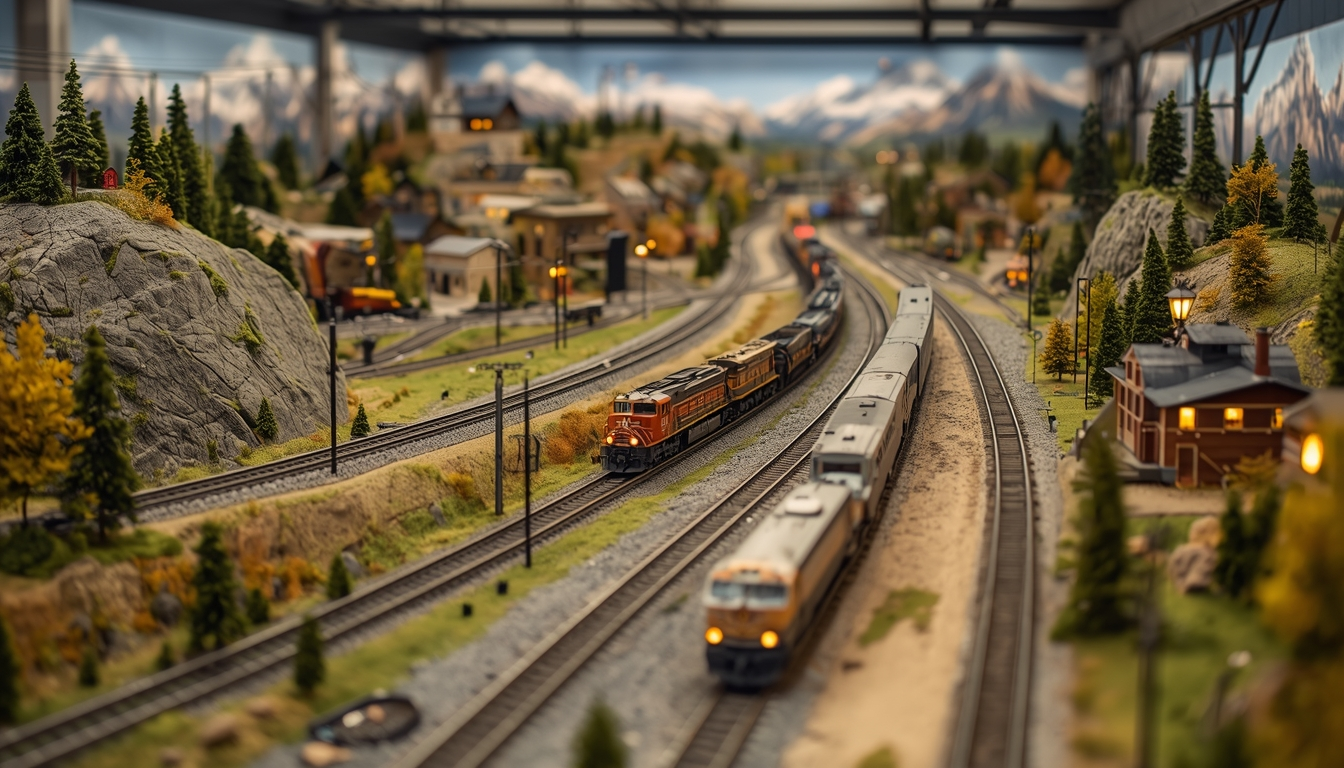
Model railroad scenery of high-quality transforms railroad tracks into a realistic setting. The scenery must reflect the theme and the era of the railroad layout.
The key components of a scenic scene are:
- Terrains like hills, valleys, or embankments
- Bridges, roads, and tunnels
- The trees, grass, and ground cover
- Water features such as rivers and lakes
Layering texture and colour variation adds the illusion of depth.
Step 8: Adding Buildings, Towns, and Industries

Structures provide purpose and context to train layouts that are modelled. They are used to define urban as well as industrial zones and rural areas.
Professional strategies include:
- Scale of the structure to match that of the railroad scale you have chosen
- Weather structures to reflect aging and usage
- Install exterior and interior lighting
Industries generate interest in operations by offering locations to load and unload freight and switching.
Step 9: Increasing Realism by Adding Fine Details

The details elevate an image from basic to professional. Concentrate on the elements that create a narrative.
Effective detailing includes:
- People figures placed naturally
- Vehicles are positioned realistically
- Fences, signs, and utility poles
- Railroads and locomotives that are weathered
These features greatly enhance the authenticity of realistic models of trains and the scenery.
Step 10: Maintenance, Testing, and Future Expansion

Model railroads require consistent maintenance for a prolonged duration of operation.
Routine tasks can include:
- Wheels and track that need cleaning
- Inspecting wiring connections
- Repairing damage to the scenery
- Modernizing control systems and locomotives
The planning for expansion in the future will ensure that the layout is able to evolve with the latest model railroad layout concepts, as well as operational elements.
Common Mistakes to Avoid
- Selecting an unsuitable scale for the space
- Overcrowding tracks and scenic views
- Ignoring operational testing during construction
- Not having a plan in place for expansion
Making sure to avoid these errors improves the reliability of your equipment and prolongs its enjoyment.
Conclusion
The process of creating a professional railway layout model is an organized and enjoyable process. By choosing the appropriate size, creating strong track plans for railroad models, creating realistic scenery, and keeping the layout running smoothly You can create the layout that shows genuine craftsmanship and quality.
If you decide to go with an O-scale model railway, an HO scale N scale model railroad, or an elaborate O-scale model railway, a well-planned approach will provide you with long-lasting quality and enjoyment.
FAQs:
Q1: What is the best scale for a model railroad layout?
Because HO scale combines a reasonable footprint with a high level of detail, it is extremely adaptable, plus the trains and accessories are very easy to find in a multitude of venues. N scale is perfect for tight areas, and O scale is better suited for large layout displays.
Q2: What is the minimum space needed for a model railroad designed by professionals?
A professionally-designed model railroad layout is able to fit into many different places. A 4-by-8-foot table is standard, while shelf-style layouts are great for small rooms.
Q3: How do I improve my model railroad to look more real?
Make sure you are focusing on smooth trackwork, realistic scenery for model railroads, as well as weathered trains and precise scale structures.